


Overview
Nestled high in the Trans-Himalayan region of Himachal Pradesh, Spiti Valley is one of the most breathtaking and unique destinations in India. Known for its rugged mountains, ancient monasteries, dramatic landscapes, and peaceful villages, Spiti offers an unforgettable experience for adventure seekers, nature lovers, and culture enthusiasts. Often referred to as the “Middle Land,” Spiti Valley is surrounded by high-altitude mountains and is home to some of the oldest Buddhist monasteries in the region.
History of Spiti Valley
Spiti Valley has a rich history deeply connected with Tibetan Buddhism and the ancient cultural traditions of the Himalayan region. For centuries, the valley has served as an important center of Buddhist learning and spirituality.
The region is home to several historic monasteries, including Key Monastery, Tabo Monastery, and Dhankar Monastery. These monasteries preserve ancient Buddhist scriptures, murals, paintings, and traditional artwork.
Due to its remote location and challenging terrain, Spiti remained relatively isolated for many years. This isolation helped preserve its unique culture, traditional lifestyle, and ancient heritage.
Architecture
The architecture of Spiti Valley reflects the region’s strong Tibetan Buddhist influence. Traditional homes and monasteries are generally built using stone, mud, and wood, with designs adapted to the harsh high-altitude climate.
Key Monastery is one of the most iconic architectural landmarks in the valley, perched dramatically on a hill overlooking the Spiti River. Tabo Monastery, one of the oldest continuously functioning Buddhist monasteries in the Himalayas, is another major attraction known for its ancient murals and traditional design.
The unique combination of mud structures, Buddhist prayer flags, monasteries, and rugged mountains gives Spiti its distinctive visual character.
Natural Surroundings
Spiti Valley is surrounded by spectacular high-altitude mountains, barren landscapes, deep valleys, and winding rivers. The dramatic terrain creates a landscape unlike the lush green hill stations of Himachal Pradesh.
The Spiti River flows through the valley, passing remote villages and rugged mountain formations. Visitors can explore scenic destinations such as Kaza, Kibber, Langza, Hikkim, Komik, and Pin Valley.
The clear skies, vast open landscapes, and minimal light pollution also make Spiti an excellent destination for stargazing. During winter, heavy snowfall can transform the valley into a beautiful snow-covered landscape, although travel conditions can become challenging.
Why Visit Spiti Valley?
Spiti Valley is much more than a mountain destination. It is a place where adventure, spirituality, ancient culture, and extraordinary natural beauty come together.
Visitors can explore ancient monasteries, experience traditional Himalayan villages, interact with local communities, and enjoy spectacular views of the surrounding mountains.
Adventure enthusiasts can enjoy trekking, camping, road trips, photography, and high-altitude exploration. The villages of Langza, Hikkim, and Komic offer unique cultural experiences, while Pin Valley provides a different perspective of the region’s natural beauty.
The remote landscapes and peaceful atmosphere make Spiti Valley an ideal destination for adventure lovers, photographers, solo travelers, nature enthusiasts, and cultural explorers.
Best Time to Visit
The best time to visit Spiti Valley is generally between June and October when most roads are accessible and the weather is more suitable for sightseeing and road trips.
The months from June to September offer relatively comfortable conditions for exploring the valley, visiting monasteries, and experiencing its scenic landscapes.
Winter visits between November and February are ideal for travelers who want to experience snow-covered Spiti and its unique winter landscape. However, extreme cold, snowfall, and road closures can make travel challenging during this period, so proper planning and preparation are essential.
How to Reach
Spiti Valley can be reached through two major road routes. The route via Shimla and Kinnaur generally remains accessible for a longer period of the year and passes through scenic destinations such as Sangla, Kalpa, and Nako before reaching the valley.
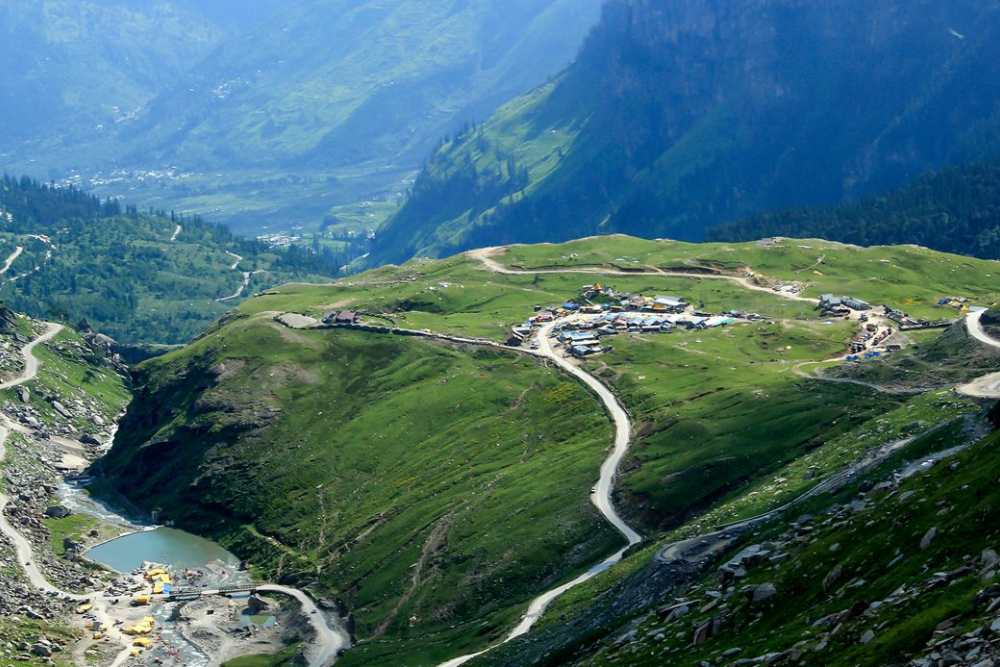
The route from Manali via Rohtang Pass and Kunzum Pass is another popular option and offers spectacular mountain scenery. However, this route is usually seasonal and depends on road and weather conditions.
The nearest major railway station is Chandigarh, while Bhuntar Airport near Kullu is one of the nearest airports for travelers arriving by air. From these locations, visitors can continue their journey by road.
Due to the high altitude and remote terrain, travelers should plan their route carefully and allow sufficient time for acclimatization.
Visitor Information
Location: Spiti Valley, Himachal Pradesh
Famous For: High-altitude landscapes, Buddhist monasteries, ancient villages, rugged mountains, and adventure
Visit Duration: 5–7 Days
Best Time to Visit: June–October
Winter Experience: November–February for snow-covered landscapes
Suitable For: Adventure Lovers, Solo Travelers, Couples, Photographers, Nature Enthusiasts, and Culture Explorers