


Overview
Nestled amidst the beautiful hills of Shimla, Jakhu Temple is one of the most famous and revered attractions in Himachal Pradesh. Located on Jakhu Hill, the highest point in Shimla, the temple is dedicated to Lord Hanuman and is known for its spiritual significance, ancient mythology, and breathtaking views of the surrounding mountains. Whether you’re a devotee, a history enthusiast, or a nature lover, Jakhu Temple offers an experience that beautifully combines faith, culture, heritage, and scenic beauty.
History of Jakhu Temple
Jakhu Temple is an ancient Hindu temple dedicated to Lord Hanuman and is believed to have strong connections with the Ramayana. According to Hindu mythology, Lord Hanuman stopped at this location while searching for the Sanjeevani herb to help Lakshmana during the battle in Lanka.
It is believed that Hanuman met the sage Yaksha, or Yaaku, at this hill during his journey. The name Jakhu is traditionally associated with this legend. Over the years, the temple has remained an important religious site and continues to attract devotees and travelers from different parts of India.
Today, Jakhu Temple stands as a symbol of devotion and the rich spiritual heritage of Shimla.
Architecture
One of the notable features of Jakhu Temple is its traditional Himalayan temple architecture. The temple reflects the cultural and religious heritage of the region, with intricate details and a peaceful spiritual atmosphere.
The most prominent attraction is the enormous statue of Lord Hanuman located near the temple. Standing high above the surrounding landscape, the statue has become one of the most recognizable landmarks of Shimla.
The temple’s traditional design, religious artwork, and surrounding cedar forests create a unique setting that attracts both pilgrims and tourists.
Natural Surroundings
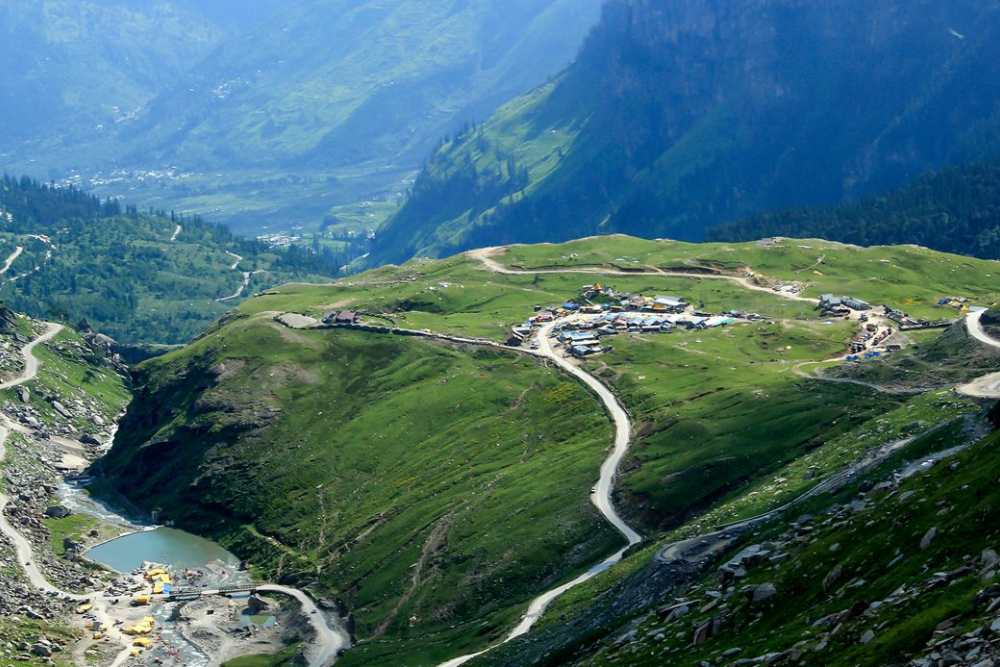
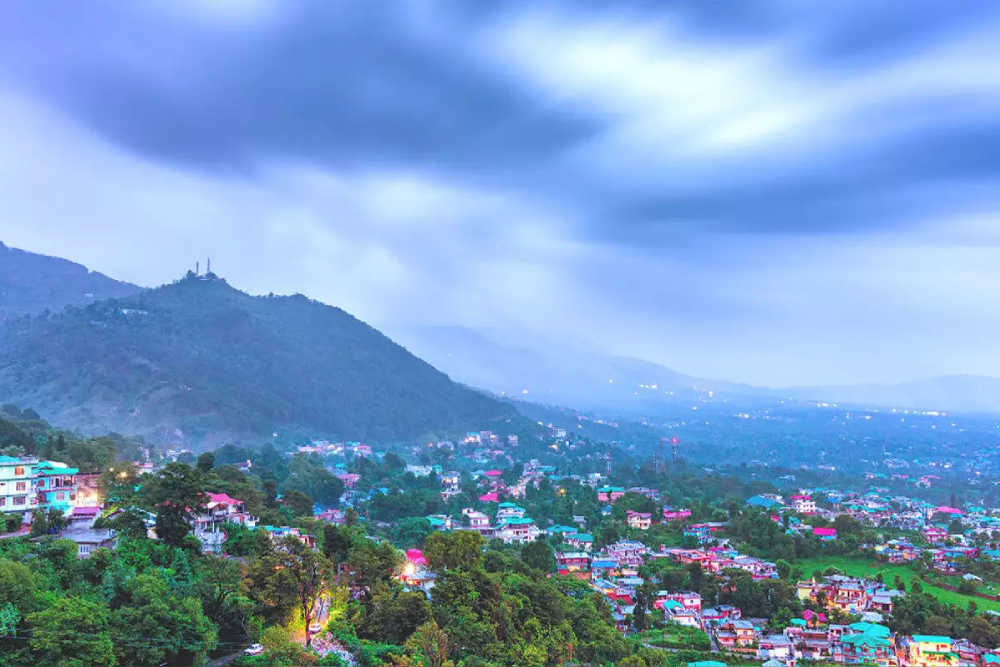
Jakhu Temple is surrounded by dense deodar forests and peaceful mountain landscapes. Located at an elevation of around 2,455 meters, Jakhu Hill offers panoramic views of Shimla and the surrounding Himalayan scenery.
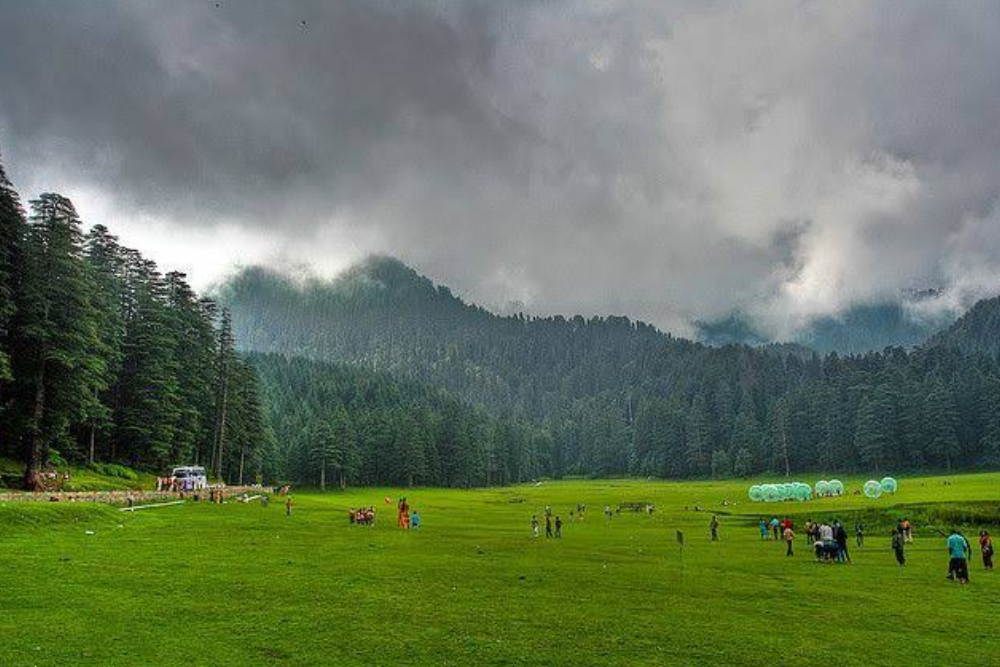
The walking paths leading towards the temple pass through beautiful forest areas, making the journey itself an enjoyable experience. Visitors can enjoy the fresh mountain air, peaceful surroundings, and scenic views while exploring the area.
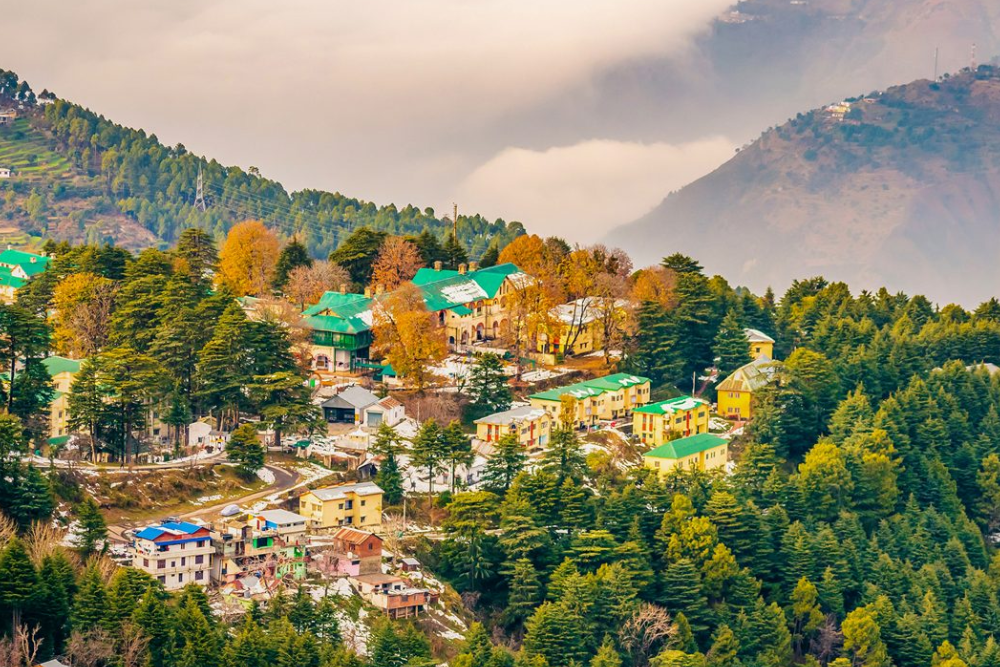
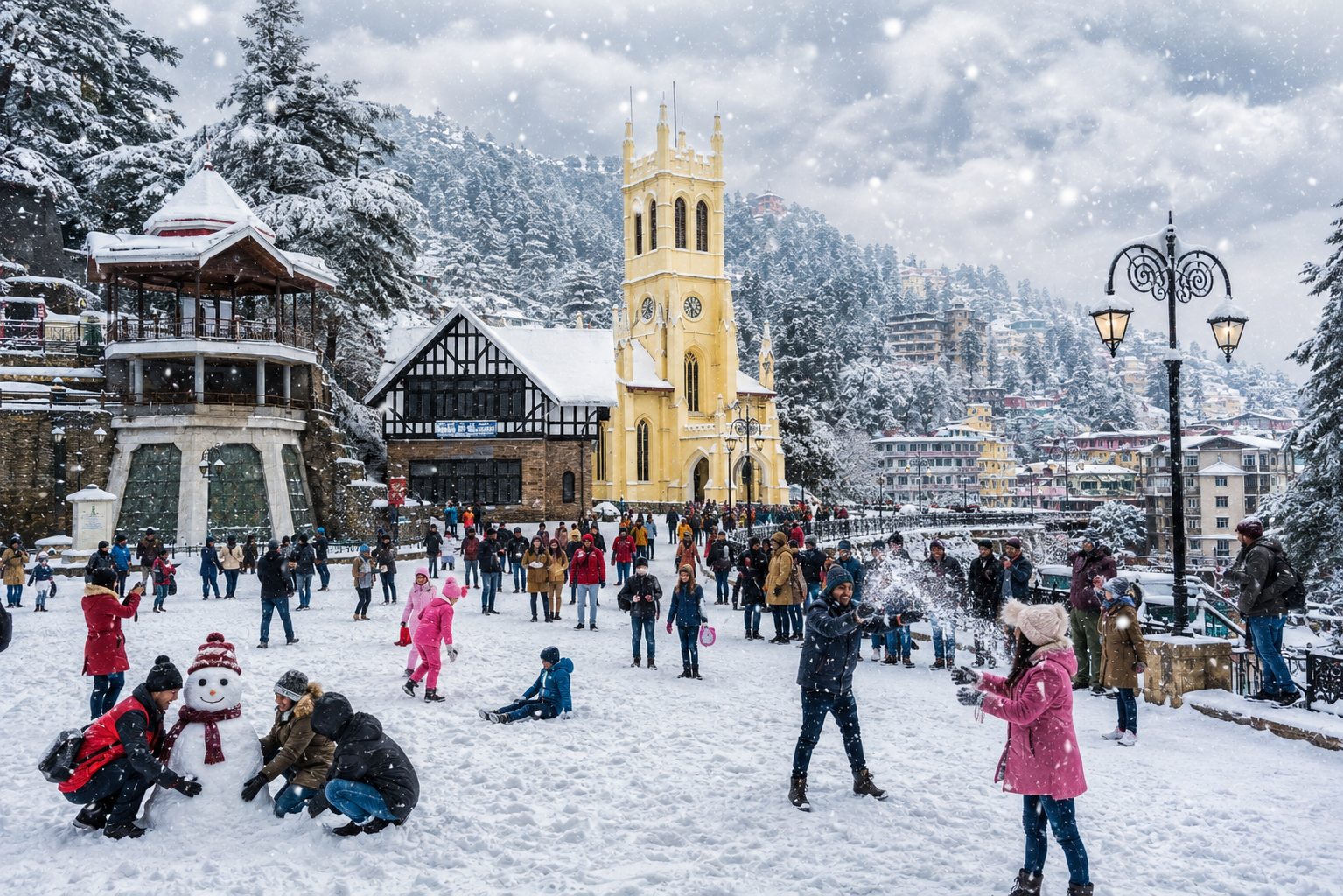
During winter, snowfall can transform Jakhu Hill into a beautiful white landscape, adding a magical charm to the temple and its surroundings.
Why Visit Jakhu Temple?
Jakhu Temple is much more than a religious destination. It is a place where mythology, spirituality, culture, architecture, and nature come together.
Visitors can seek blessings at the temple, learn about the fascinating connection between the site and the Ramayana, and enjoy spectacular views from one of the highest points in Shimla.
The temple and its surroundings are also popular among photographers and sightseeing enthusiasts. The peaceful atmosphere and beautiful Himalayan landscape make Jakhu Temple a memorable destination for travelers of all ages.
Best Time to Visit
The best time to visit Jakhu Temple is between March and June when Shimla generally experiences pleasant weather and comfortable conditions for sightseeing.
The months from September to November are also ideal, with clearer skies and beautiful views of the surrounding mountains.
Winter visits between December and February can be especially rewarding for travelers who enjoy snowfall. The snow-covered temple surroundings and deodar forests create a picturesque Himalayan experience. However, visitors should be prepared for cold weather and slippery paths during heavy snowfall.
How to Reach
Jakhu Temple is located approximately 2–3 kilometers from Shimla’s main Mall Road area. Visitors can reach the temple by taxi or private vehicle, while adventurous travelers can also walk up Jakhu Hill.
The famous Jakhu Ropeway provides another convenient and scenic way to reach the temple. The ropeway journey offers beautiful aerial views of Shimla and the surrounding hills.
Since the temple is situated on a steep hill, visitors choosing to walk should wear comfortable footwear and allow sufficient time for the uphill journey.
Visitor Information
- Location: Shimla, Himachal Pradesh
- Famous For: Lord Hanuman Temple, giant Hanuman statue, and Himalayan views
- Visit Duration: 1–2 Hours
- Best Time to Visit: March–June & September–November
- Winter Experience: December–February for snowfall
- Suitable For: Families, Couples, Devotees, Solo Travelers, and Photographers