


Overview
Nestled amidst the beautiful mountains of Manali, Hadimba Devi Temple is one of the most famous and revered attractions in Himachal Pradesh. Located in the peaceful cedar forests of Dhungri, the temple is dedicated to Goddess Hadimba and is known for its spiritual significance, ancient mythology, unique architecture, and scenic surroundings. Whether you’re a devotee, a history enthusiast, or a nature lover, Hadimba Devi Temple offers an experience that beautifully combines faith, culture, heritage, and Himalayan beauty.
History of Hadimba Devi Temple
Hadimba Devi Temple is an ancient Hindu temple dedicated to Goddess Hadimba, the wife of Bhima from the Mahabharata. The temple is believed to have been built in 1553 by Maharaja Bahadur Singh and holds an important place in the religious and cultural heritage of Manali.
According to Hindu mythology, Hadimba was the sister of Hidimb, a powerful demon who lived in the forests of the region. After meeting the Pandavas during their exile, Hadimba married Bhima and later became known as a powerful and respected deity among the local people.
The temple continues to hold great religious importance and is visited by devotees and travelers throughout the year. It stands as a symbol of Manali’s ancient traditions, mythology, and spiritual heritage.
Architecture
One of the most remarkable features of Hadimba Devi Temple is its distinctive pagoda-style Himalayan architecture. The temple is built with wooden walls, beautifully carved doors, and a multi-tiered roof that reflects the traditional architectural style of the Himalayan region.
The temple’s intricate wooden carvings and traditional design make it one of the most unique architectural landmarks in Manali. The peaceful atmosphere surrounding the temple, combined with its ancient structure, gives visitors a glimpse into the rich cultural heritage of Himachal Pradesh.
The temple is surrounded by tall deodar trees, creating a beautiful and serene setting that makes the site especially attractive to photographers and architecture enthusiasts.
Natural Surroundings
Hadimba Devi Temple is surrounded by dense deodar forests and beautiful mountain landscapes. Located in the Dhungri area of Manali, the temple offers a peaceful escape from the busy tourist areas of the town.
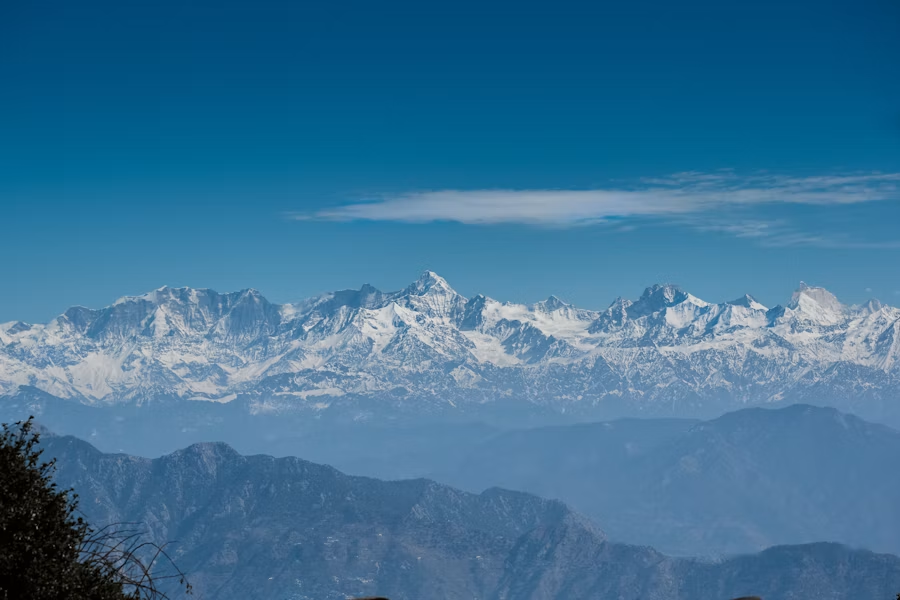
The forest paths around the temple are ideal for leisurely walks and exploring the natural beauty of the region. Visitors can enjoy the fresh mountain air, towering cedar trees, peaceful surroundings, and scenic Himalayan views.
During winter, snowfall can transform the temple surroundings into a beautiful white landscape, adding a magical charm to the ancient temple and its forest setting.
Why Visit Hadimba Devi Temple?
Hadimba Devi Temple is much more than a religious destination. It is a place where mythology, spirituality, culture, architecture, and nature come together.
Visitors can seek blessings at the temple, learn about its fascinating connection with the Mahabharata, admire its traditional wooden architecture, and explore the peaceful deodar forests surrounding the site.
The temple and its surroundings are also popular among photographers and sightseeing enthusiasts. Its unique architecture and beautiful natural setting make Hadimba Devi Temple a memorable destination for travelers of all ages.
Best Time to Visit
The best time to visit Hadimba Devi Temple is between March and June when Manali generally experiences pleasant weather and comfortable conditions for sightseeing.
The months from September to November are also ideal, offering pleasant weather, clearer skies, and beautiful views of the surrounding mountains.
Winter visits between December and February can be especially rewarding for travelers who enjoy snowfall. The snow-covered temple surroundings and deodar forests create a picturesque Himalayan experience. However, visitors should be prepared for cold weather and slippery paths during heavy snowfall.
How to Reach
Hadimba Devi Temple is located approximately 2–3 kilometers from Manali’s main Mall Road area. Visitors can easily reach the temple by taxi, auto-rickshaw, or private vehicle.
Travelers staying in central Manali can also reach the temple by walking through the beautiful streets and forested areas of Dhungri. The short journey offers an opportunity to enjoy the scenic surroundings of Manali.
Since the temple is located within a forested area, visitors choosing to walk should wear comfortable footwear and allow sufficient time to explore the temple and its surroundings.
Visitor Information
Location: Dhungri, Manali, Himachal Pradesh
Famous For: Hadimba Devi Temple, traditional pagoda architecture, deodar forests, and mythology
Visit Duration: 1–2 Hours
Best Time to Visit: March–June & September–November
Winter Experience: December–February for snowfall
Suitable For: Families, Couples, Devotees, Solo Travelers, Photographers, and History Enthusiasts